
Garage Door Cable Replacement
A broken garage door cable turns your two-car garage into a two-ton problem. The door won’t lift, won’t close evenly, or worse, drops without warning. Rise & Shine replaces garage door cables the same day you call, seven days a week. Our trucks carry every cable type and bracket size so we fix it in one trip. Standard, stainless steel, or powder-coated options available.





Why Homeowners Call Rise & Shine for Cable Replacement
Garage door cables hold the entire weight of your door. When one snaps, that weight has nowhere to go. The door jams sideways or crashes to the ground while your car is stuck on the wrong side of it. Waiting makes it worse because the remaining cable is under double the strain.
We show up fast, diagnose the full system, and leave you with a door that works like it should. Every technician carries a full cable inventory and inspects everything while they’re there. Springs, drums, brackets, rollers, opener. If something else is about to fail, we tell you before it does.

Available Every Day of the Week
Cables break on Saturdays and holidays too. We book same-day appointments regardless of the day, and most replacements finish within a couple hours of your call.

Parts Already on the Truck
Every service vehicle stocks galvanized cables, stainless steel cables, bottom brackets, drums, and the hardware to fit them. No second trips, no waiting on orders.

Our Own Employees, Always
We never subcontract. The person at your door is a Rise & Shine technician who went through our training program, passed a background check, and answers to us directly.

You See the Price Before We Start

Rust-Proof Cable Upgrades

Fully Licensed and Insured
What Are Garage Door Cables and Why Do They Fail?
Two Cable Systems Used on Residential Garage Doors
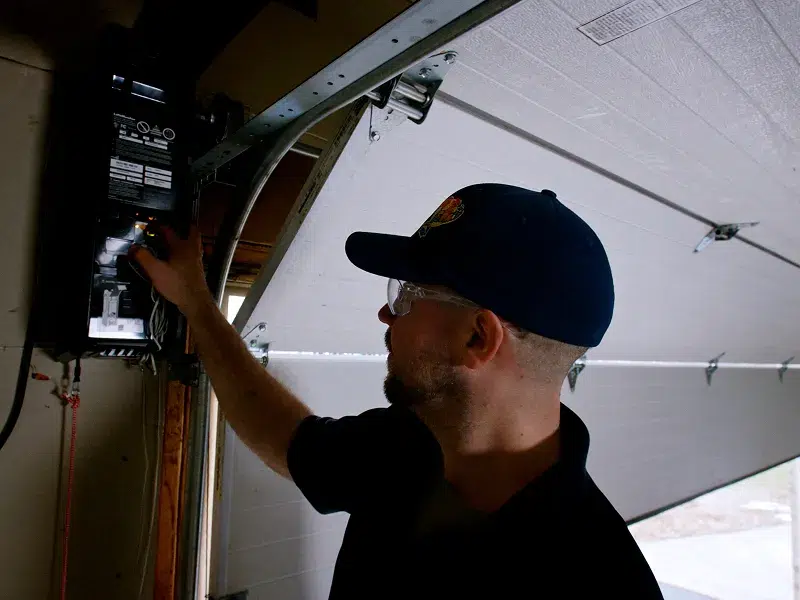
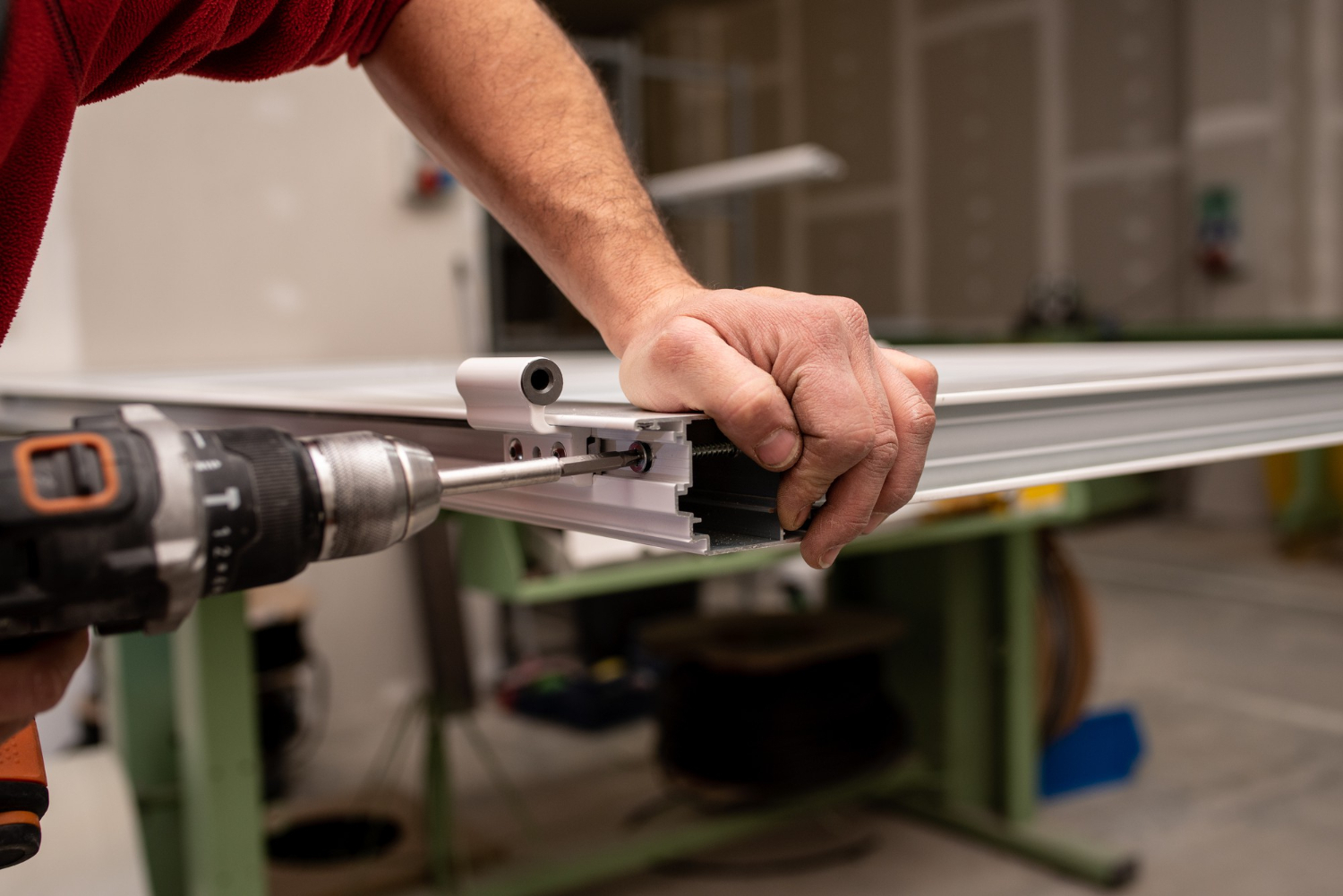
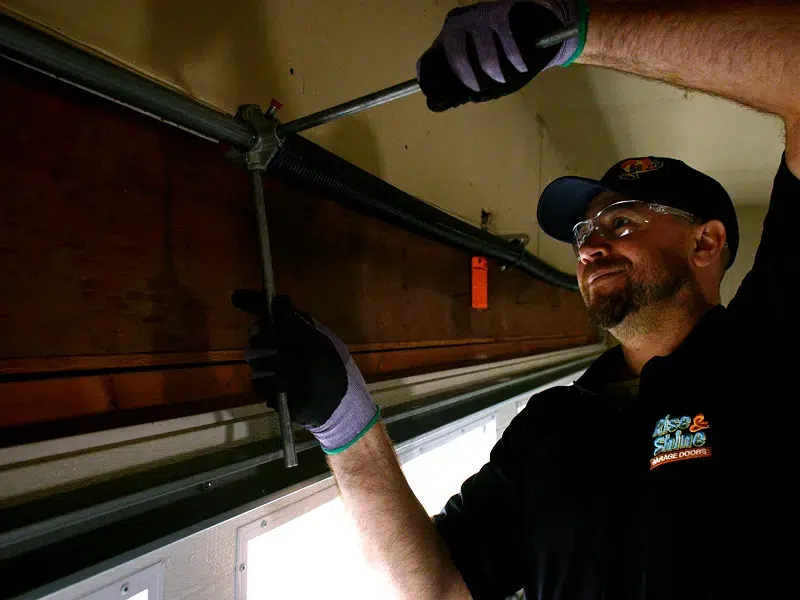
Torsion Cable Systems: use a single spring mounted above the door opening. Cables wrap around drums on each end of the spring shaft. When the spring releases stored energy, it spins the drums and winds the cables, pulling the door upward. Most garage doors built in the last 20 years run on torsion systems. They are more balanced, quieter, and longer-lasting than the alternative.
Why Garage Door Cables Break
Steel fatigue. Your cables bend, flex, and bear load thousands of times per year. Over time, individual wire strands inside the cable start snapping. You can’t see it happening until enough strands fail that the cable gives way.
Corrosion from the inside out. Moisture gets between the wire strands and rusts the cable from within. Garages that aren’t climate-controlled, or that sit in humid or salty-air regions, see cable corrosion faster than average.
A broken spring caused a chain reaction. When a torsion spring snaps, it dumps all its stored energy at once. That sudden shock can rip a cable off the drum, snap it at the bracket, or stretch it beyond its working limit.
Drum or track problems created extra friction. Worn drum grooves force the cable to sit in the wrong position. A misaligned track makes the door bind, and the cable absorbs that extra stress every cycle.
Nobody inspected them. Most homeowners never look at their cables until something goes wrong. Lubrication dries out, small frays go unnoticed, and tension slowly drifts out of spec. By the time you see a problem, the cable is already close to failure.
How to Tell Your Garage Door Cable Has Failed

The door sits crooked or tilted.
One side hangs lower than the other. This usually means one cable snapped while the opposite cable is still intact, pulling the door unevenly.

You heard a loud bang from the garage.

You can see fraying or loose strands on the cable.

The door dropped fast or slammed to the ground.

Cable is dangling, loose, or wrapped around the shaft.

The opener runs but the door won't budge.
Cable Problems We See Every Week
Snapped Cable Replacement
This is our most common cable call. One cable breaks, the door drops or jams, and the homeowner can’t get their car out. We replace the broken cable with one rated for the exact weight of your door and inspect the drums, springs, and brackets while we’re there.
If the door dropped hard when the cable snapped, we also check the tracks for bending, the panels for cracks, and the opener for strain damage. A cable failure can cause secondary problems that aren’t obvious right away.
Do not try to open the door manually or run the opener after a cable breaks. Both can make the damage worse and create a safety risk.
Frayed Cable Replacement
Fraying means the cable is dying slowly. You might notice rough spots on the cable surface, tiny wire pieces on the garage floor, or the door moving unevenly for no obvious reason. Each broken strand shifts more load to the remaining strands, speeding up the failure.
We replace frayed cables before they fully snap. If corrosion caused the fraying, we recommend upgrading to stainless steel or powder-coated cables so you don’t end up back in the same spot two years from now.
Cable Off Drum Repair
A cable that jumps off its drum can’t do its job. The door tilts, binds in the tracks, or refuses to move. This happens when a spring breaks and changes the tension balance, when the drum grooves are worn smooth, or when something blocked the door mid-travel and forced the cable out of position.
We unwind the cable, inspect the drum for wear, re-seat or replace the cable, re-tension everything, and cycle the door to confirm it tracks straight.
Rusted or Corroded Cable Replacement
Rust weakens cable from the inside before you can see it on the outside. By the time you notice discoloration, stiff spots, or flaking on the surface, the cable has already lost a portion of its load-bearing capacity.
We see corroded cables most often in garages without insulation and homes in regions with high humidity or road salt exposure. Older homes where nobody ever swapped the original cables are especially common calls. We swap corroded cables for stainless steel or powder-coated options that handle those conditions without breaking down.
Bottom Bracket and Cable Replacement
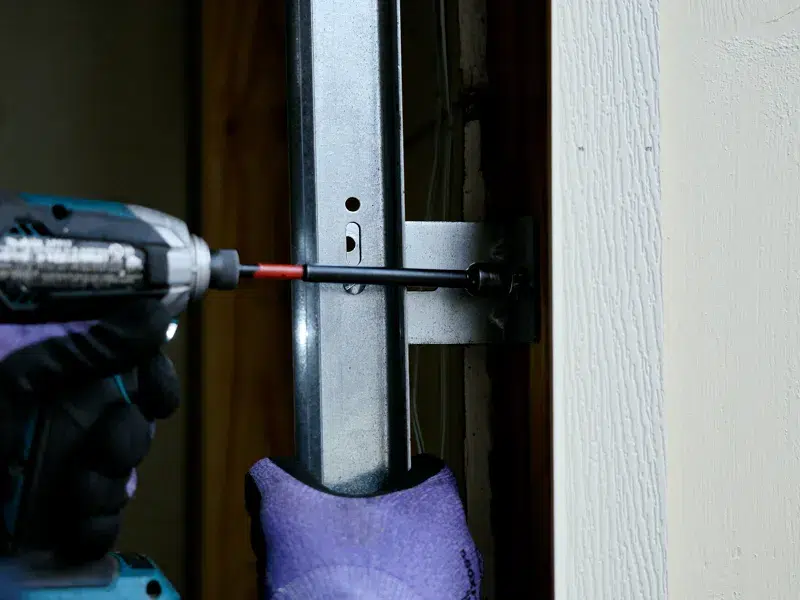
The bottom bracket anchors the cable to the door. It takes a beating from tension, vibration, and exposure to moisture at floor level. When a bracket rusts through or cracks at the cable attachment point, the cable can’t hold tension even if the cable itself is fine.
We replace brackets and cables together because installing a new cable on a failing bracket defeats the purpose. Our powder-coated brackets resist corrosion at the point where it matters most.
Cable Quality: Standard vs. Lifetime
Most companies install basic galvanized steel cables that are vulnerable to rust and fraying. We give you a choice so you can match the cable quality to your budget and how long you want them to last.
Standard Galvanized Steel Cables
Stainless Steel Cables (Lifetime Option)
Replace One Cable or Both?
Same age, same wear
Mismatched cables cause tracking problems.
One visit covers both.
What Happens When You Call Us
Step 1: Schedule by Phone or Online
Call 833-865-7473 or book through our website. We’ll ask a few questions about what’s happening with the door and get a technician scheduled, usually the same day.
Step 2: Inspect the Full System
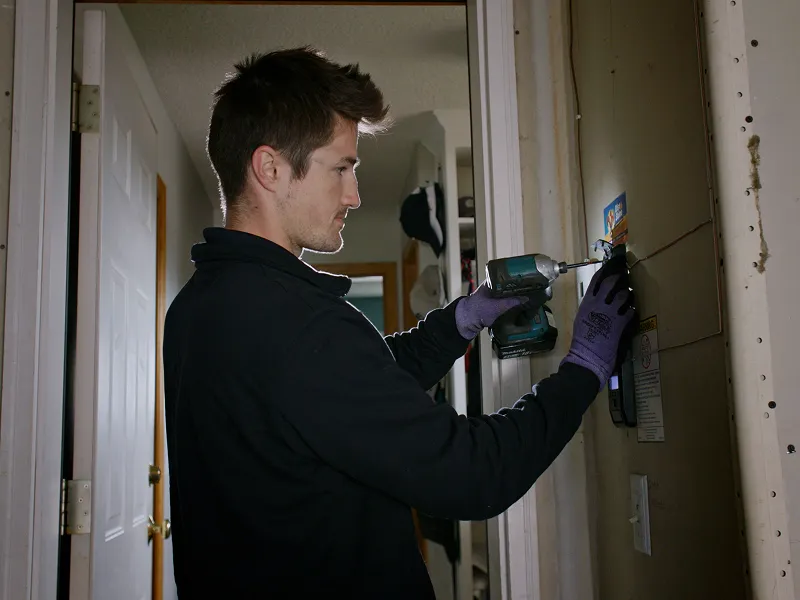
Our technician starts with the cables, then checks the drums, springs, bottom brackets, tracks, rollers, and opener. Cable failures often signal wear in related parts, and we want to catch everything in one visit.
Step 3: Review the Quote
You get a written quote for all parts and labor before any work begins. No verbal estimates, no surprises when the job is done.
Step 4: Replace the Cables
We release the spring tension safely, remove the damaged cables, address any drum or bracket issues, install new cables, and balance the door. Most replacements take one to two hours.
Step 5: Test Everything
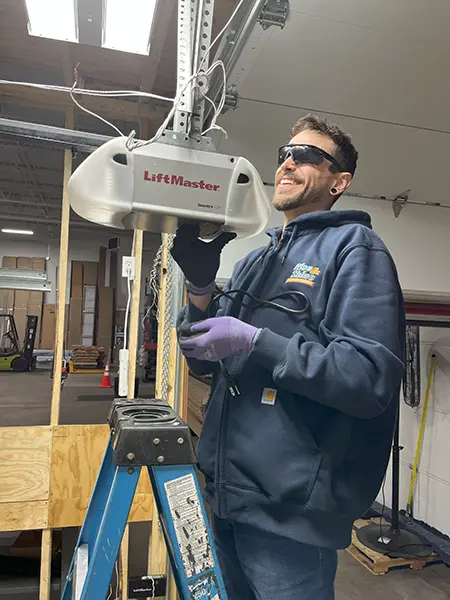
We cycle the door multiple times, check that it tracks evenly, test the balance by hand, verify the safety reversal, and confirm the opener responds correctly.
Step 6: Walk You Through Maintenance
Before we leave, we point out what to watch for going forward and explain how basic maintenance (lubrication, visual checks, annual tune-ups) keeps cables lasting as long as possible.
What Happens If You Wait
A $250 repair turns into a $1,000 repair.

Your opener burns out.

The door becomes a safety hazard.
You lose access to your garage.
Design Your Perfect Garage Door
Preview styles and colors before choosing the right look for your home.
Frequently Asked Questions
How long does it take to replace garage door cables?
One to two hours for a standard cable replacement. If the inspection turns up worn drums, cracked brackets, or spring issues, the job takes longer. We tell you before starting any additional work.
What does cable replacement cost?
Between $200 and $400 in most cases. The final number depends on cable type (galvanized vs. stainless steel), whether we replace one cable or both, and whether brackets or drums need replacement too. You see the full quote before we start.
Is it safe to use my door if the cable looks frayed?
No. A frayed cable can snap at any time, and when it does, the door drops. Stop using the door and call for replacement. It’s not worth the risk of the cable breaking while the door is mid-cycle.
Should I replace both cables even if only one broke?
Can I replace garage door cables myself?
Don’t. The cables work alongside springs that hold extreme tension. Improper handling can cause serious injury. Certified technicians use professional winding bars and know how to release and reapply tension safely.
What's the difference between galvanized and stainless steel cables?
Can you come out today?
Do you work on commercial garage doors?
What warranty do you offer on cable replacement?
How do I prevent cable problems in the future?
We’re in Your Area
Minneapolis • St. Paul • Twin Cities Metro • Austin